Welcome to our forums. For the best in R/C submarine kits, components and accessories, be sure to visit the Nautilus Drydocks
If this is your first visit, be sure to
check out the FAQ by clicking the
link above. You may have to register
before you can post: click the register link above to proceed. To start viewing messages,
select the forum that you want to visit from the selection below.
The Battleship NJ drydock tour sounds like an awesome experience! Getting up close to such a historic ship must be incredible. Definitely a place where you’d want to wear something comfy—Men’s Flip Flops are a solid choice for an easygoing tour. Can’t wait to check it out!
AI has learned how to toss group-friendly words and phrases into random forums and brackets them around an unsolicited sales pitch.
I call bull**** on colleenshirley!!! Robot spammer.
In 2011, i was allowed visiting the expedition ship "Polarstern", drydocked at Bremerhaven. One of the ships Senior electricians gave us a private tour from top to keel. The dock itself must have been dating back to the early 20th century, shaped to hold Dreadnoughts of the Imperial German Navy. Quite a view with the "tiny" Polarstern in it!
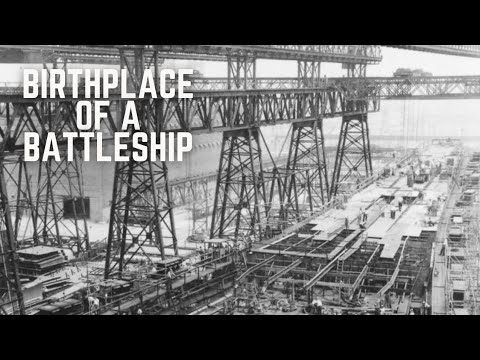
The NJ was built in either slipway two or three which is noted below.
Judging by the marking on drydock 3 walls, I'd say it is 50 feet deep. The NJ draws about 35 feet. Here she is sitting in the drydock on top of the approximately 5 feet of blocks.
You can see the steps we had to walk down. In some older photos I saw what might have been an elevator at the end of the drydock.
Steps.
The end of the drydock. Note the depth markings.
The caisson which closes off the drydock from the river. Pretty amazing that caisson holds back the river. In the lower left water was pouring in. Any water collects in the pool at the picture bottom then is pumped back into the river somewhere.
The caisson can be filled with water. Once the ship is in place the caisson is floated into the drydock opening, then water is pumped in causing the caisson to sink into position. I wonder if and what the seals are to seal the caisson to the drydock? Maybe an interlocking series of slots of some sort? I don't know. Once the caisson is in position, divers go in to make sure the ship is sitting properly on the blocks. Maybe they also use a survey method for this as well?
This working crane should be pretty old. When the ship was being brought in, this crane held a line from the capstan and it was passed to the ship and secured. That one line pulled the ship into the drydock. Tugboats held the ship in line with the drydock keeping it straight.
This is the capstan that pulled the NJ into the drydock. It's maybe 4 feet or so in diameter. It's located across the street that goes past the drydock. The road is blocked off while the capstan is in operation.
Here's the capstan with the rope pulling the NJ in. The rope is stored on a cart and looks well taken care of since it is pulling in a 50,000 ton ship.
You can see the rope pulling the NJ in. Tugs are on the port side to keep the ship stable. There was a ship to the starboard so they had to stay on the port side. There are plenty of Youtube videos that you can watch this process. They had line handlers on each side of the ship that would secure side lines to bollards as the ship was being pulled in keeping her centered. The side of the drydock also has tires as rollers to keep her away from the drydock walls.
Here you can see the capstan (yellow). The old slipway she was built on is on the other side of the building (orange). The building at the bottom I believe is the drydock pump house (pink).
I'd love to get a tour of the drydock & pump house with explanations how it all works.
Jake, thanks for the stories. Always good to hear stories like that. I did read and see videos about the Missouri grounding.
Steve, probably an OHSHA thing. For those that did not have steel tipped shoes like Carol, they supplied them. Oddly enough, she said they were a bit awkward to walk in. To make it worse, the steps leading into & out of the drydock had short treads, so going up the steps made it pretty funky. Even for me with size 13 shoes going up I had to watch my step.
Ken, that is totally awesome!!! BB-62 is the only one of the four I haven't seen yet. I follow that guy on Youtube and he does a great job getting down in the minutiae sometimes. The first time I saw an Iowa-Class, it was the Iowa, and after Desert Storm is was in Norfolk. Shortly later, the Wisconsin was in. The gym I worked out at on the navy base was near the carrier piers so I'd drive down the waterfront and see what's in. One day, both the Iowa and Wisconsin were in. They were really spectacular to look at then for a particular reason. They were completely loaded out and didn't have much freeboard on the sides. They really sat low in the water. About 5 years later I'd see the Missouri when she was out in Bremerton in mothballs on our way to inspect subs up at Bangor. One time we saw it, spent about a week at Bangor, then went to San Diego for a few days, then we went out to Hawaii...and there she was. They had moved her during that 2 1/2 week interlude to become an exhibit. The next year I was on the Rickover and every time we'd pull in, sometimes at the shipyard, other times at the navy base, the Wisconsin would be across from us. It was really weird, and we didn't know what was going on with her. She looked way different as she was high in the water. So I went out to sea and we came back and she was finally gone. That weekend, we went to visit an elderly friend who lived at Harbor View, which is a set of high-rise condos in downtown Norfolk and I look out her living room window to gaze at the spectacular view of downtown Norfolk and Portsmouth across the river and I see...gray and nothing else unless you looked at the sky. They had moved it to Nauticus and it was next door. She was complaining about the loss of view and she eventually moved. Crazy. Awesome that you got to see it. There's a great story and video online when the Missouri got stuck on Thimble shoals for a few weeks. The new captain had been a sub captain before. Really spectacular story about getting her back off again. The Wisconsin got stuck there too, but not as dramatic (or stupid) as the Missouri.
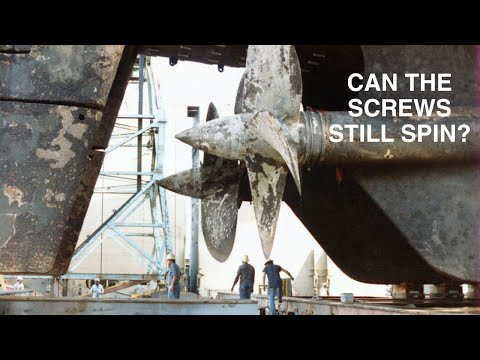
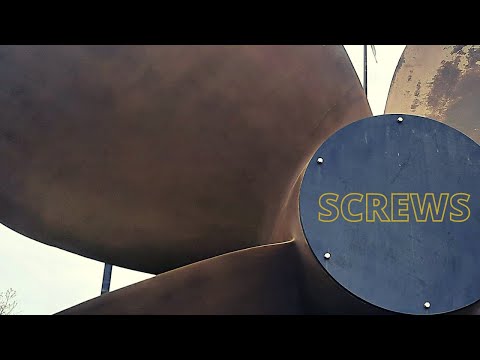
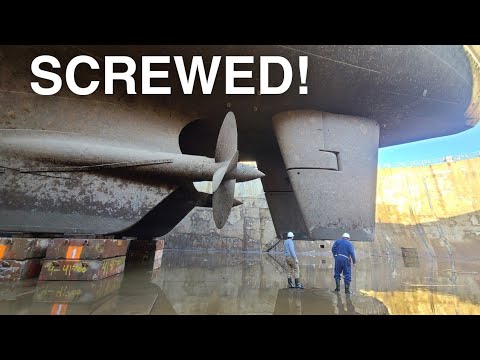
I’m rather surprised the screws are still on the ship. I would’ve figured they would have been removed, and put on display instead of leaving them attached never seen. Nice photos.
No need for jacking-gear (because of the four skeg/sub-keels), means no need to yank the screws.

Leave a comment: